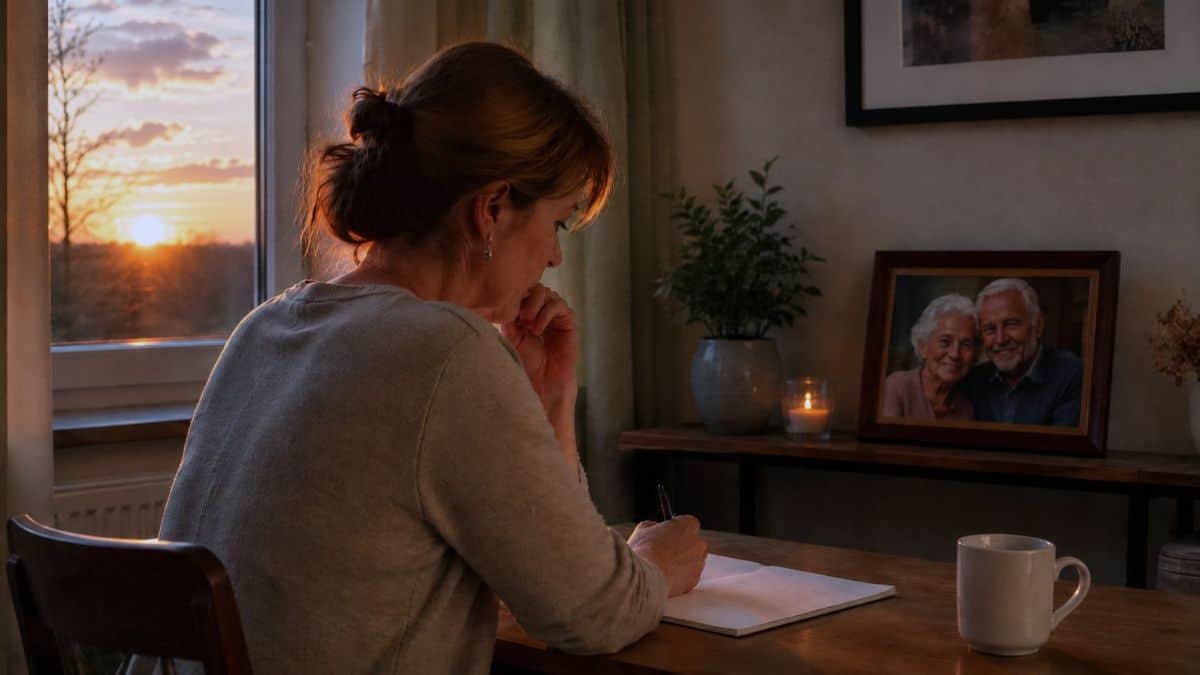
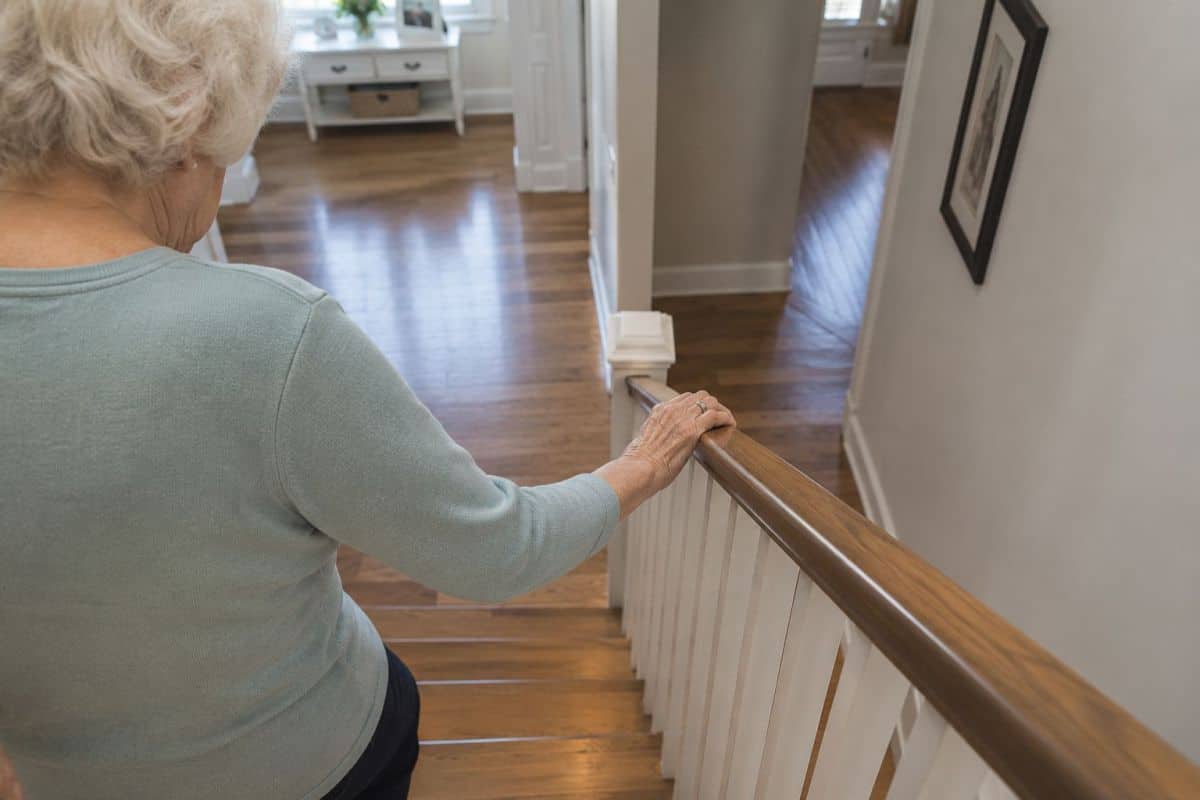
Quiet worries families carry
At some point, it was normal not to talk for weeks. I moved away from home when I was 18. My parents still healthy, working, independent. As my adult life became more and more complex, it was normal for us to stay in touch, but not too much. They were still living full lives, with jobs, friends, relatives, their own projects, routines and social engagements.
Only after a few health scares, I got involved in my aging parents’ daily lives.
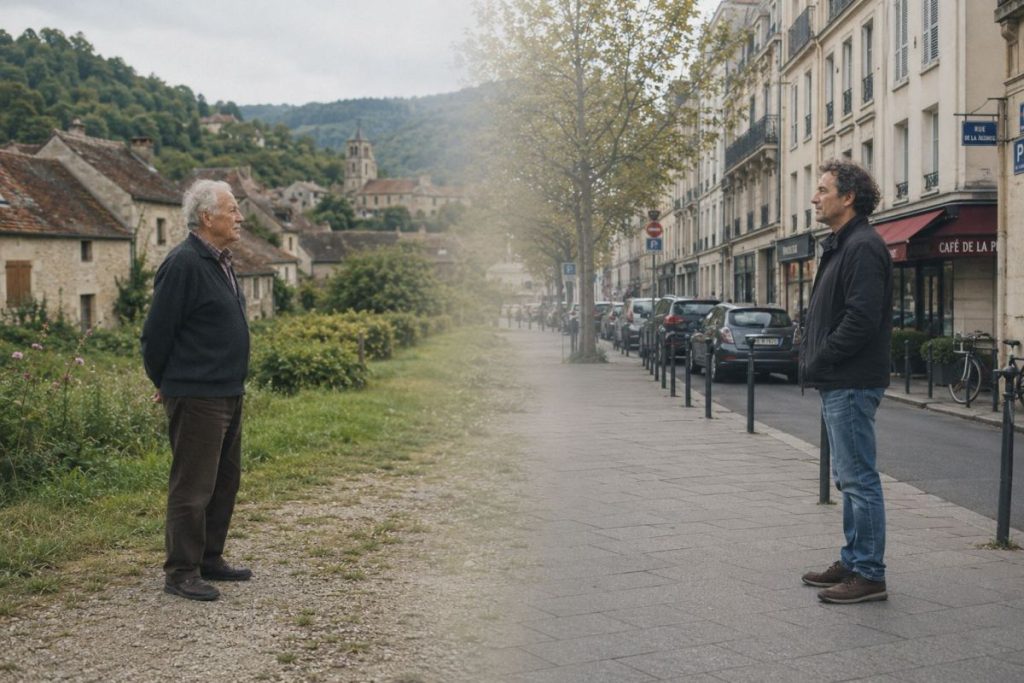
The concerns are not always dramatic. They can often be simple, quiet wonders: “Did they wake up? Did they use their phones? Are they going through their day as usual?”
Caring, from any distance, is difficult
I was moving into a more involved stage of our relationship, but I wanted to be aware and careful about the role changes, the new dynamics, the results will get on the long term from choosing different paths.
I guess the most important struggle for me was to be “ecologically” aware, to integrate needed changes, with as little adverse effects on other life systems as possible. When more of your time, your energy, your mental processes, your actions, your emotions, your resources, suddenly shift away from your own family and job, and self-care, you feel the cost. And at some point, just for balance’s sake, you need an easy way to keep in check, with as little entanglement as possible.
The second major struggle for me was to help them, while maintaining their dignity. To not become overbearing. We need and want reassurance, but cannot call constantly, visit every day, or know what is happening at every moment. I did not want them to feel monitored or controlled, so they could keep as much of their individualities intact.
The distance is not the main factor
Parents may want to continue to live on their own. Family members may live in other cities or countries. But distance is not the issue. Communication is. Even family members living in the same house with elderly parents may have different schedules. It’s easy to go on with your day if, from time to time, you get a quick reassurance.
Some kind of monitoring becomes useful, but not all solutions are created equal. You start to think what’s right for you.
Monitoring can easily feel intrusive
- You want to know they are active, but you do not need to watch them on a surveillance camera.
- You want to know they still use their phones, but do not want to monitor their every interaction.
- You want them to go about their usual lives, not to teach them a new app, remind them to click a daily check-in button, wear a new bracelet, remind them to charge it.
- You want them to live independent lives, but do not want to follow them on the map.
Not all monitoring feels respectful. Cameras, location tracking, constant alerts, and detailed activity reports can make an elderly parent feel watched instead of cared for.
It’s easy to get on a slippery slope. Loss of privacy, loss of independence, feeling treated like a patient instead of a loved parent, family guilt turning into control, these are not the outcomes we have in mind when looking for monitoring solutions for elderly parents. And safety should not come at the cost of dignity.
What non-invasive monitoring means
It’s almost like we need a new kind of family friend, a contemporary, respectful and discrete substitute for asking a neighbor to keep an eye on our parents.
When choosing a discrete, non-invasive monitoring you are looking only for a basic sign that your parents’ normal daily life is still happening. This way, the goal is not to track the parent’s every move, the goal is to get alerted when something may be wrong.
If we are to compare them, the basic question goes from: “What exactly are they doing now?” (invasive monitoring), to “Is there a reason to check in?” (non-invasive monitoring).

Where Parents are Ok fits
We created Parents are Ok with this search for balance in mind. Adult children need to reduce background anxiety without constant interruptions. Parents need to feel safer and cared for, without feeling controlled. This way, it just quietly eases the emotional load of caregiving.
The app monitors signs that the phone is touched, moved, used during the day. If the phone stays inactive longer than the limit you set, the guardians receive an alert. Normal sleep or rest hours can be excluded from the inactivity period.
Also, keeping the idea of discretion in mind, Parents are OK is not a surveillance camera, not a location tracker, not an intrusive activity log. And, of course, it is not a medical device, nor a replacement for human care.
A way to care without taking over
Your parents will expect your visits and calls as usual. And medical assistance and specialized care cannot be replaced by an app. But good elderly care is not only about preventing or reacting to emergencies. It is also about preserving normal life for as long as possible.
As a non-invasive monitoring app, Parents Are OK supports this balance: less unnecessary intrusion – more safety and independence.
Balance is a constant wonder. And I am curious: What’s the right balance for you?
- When to call, when to visit, when to give a break?
- How to show up, how to support, how to stay away?
- What to take over, what to leave as is?
- Where to interfere, where to just leave space?
- Who to get involved, who to leave at peace?
- Which changes to see as normal, which are worrying signs?
- Why this kind of monitoring, and also, why not?
 Download easy to use free printables from our Resources page.
Take care, talk soon,
Ioana
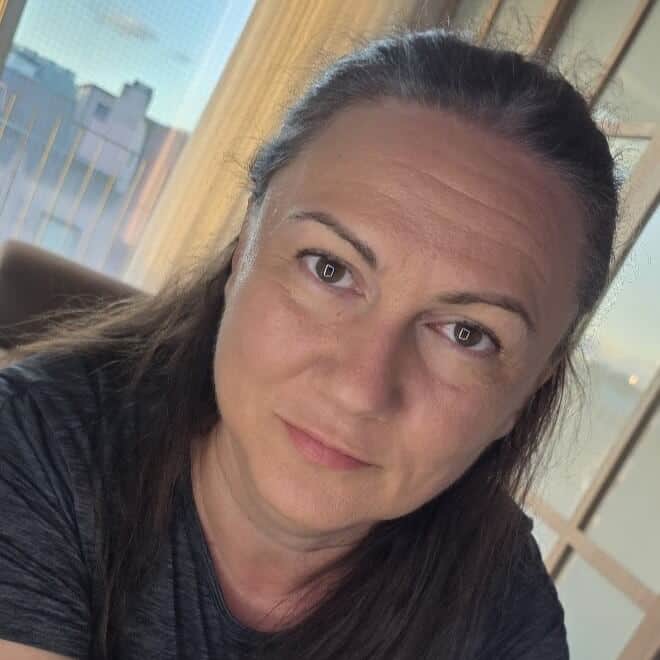
My guiding question every day is: ”How can I make this better?” I have a creative mind, an eye for all things beautiful, and a drive to bring people together. With a background in non-formal education, psychology, entrepreneurship, and interior design, I believe there is always a new opportunity around the corner. Life is interesting. Enjoy and make the most of it!