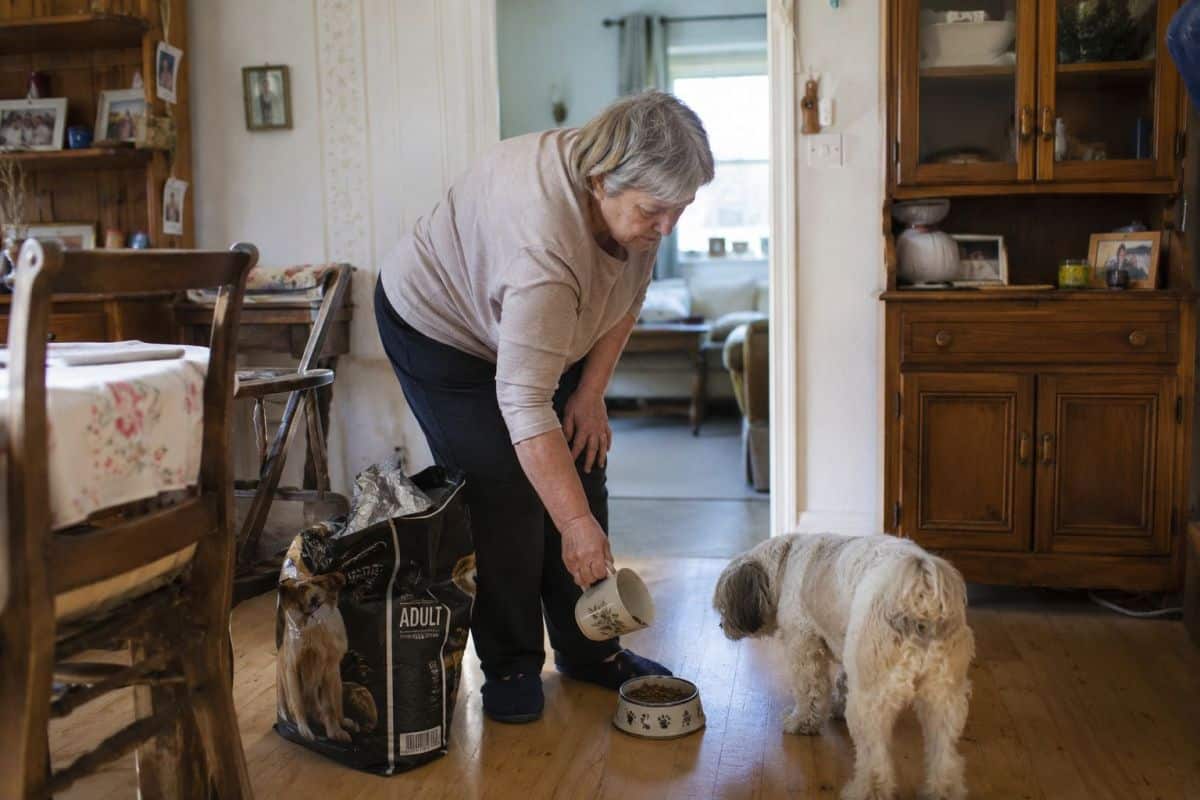
Razvan grew up with animals around him. Cats, dogs, turtles… pets were part of his family during childhood and adolescence, not simply animals kept somewhere in the house or in the garden.
When the dog he and his brother had grown up with eventually died, their mother was the one left alone in the house. They were worried and immediately felt the need to fill that void, so each of them came to her with a new puppy.
They did not ask her if she wanted one. It was not a carefully researched intervention or part of a long-term ageing plan. It was a simple family instinct: she had always lived with a dog, and they did not want her to suddenly live alone.
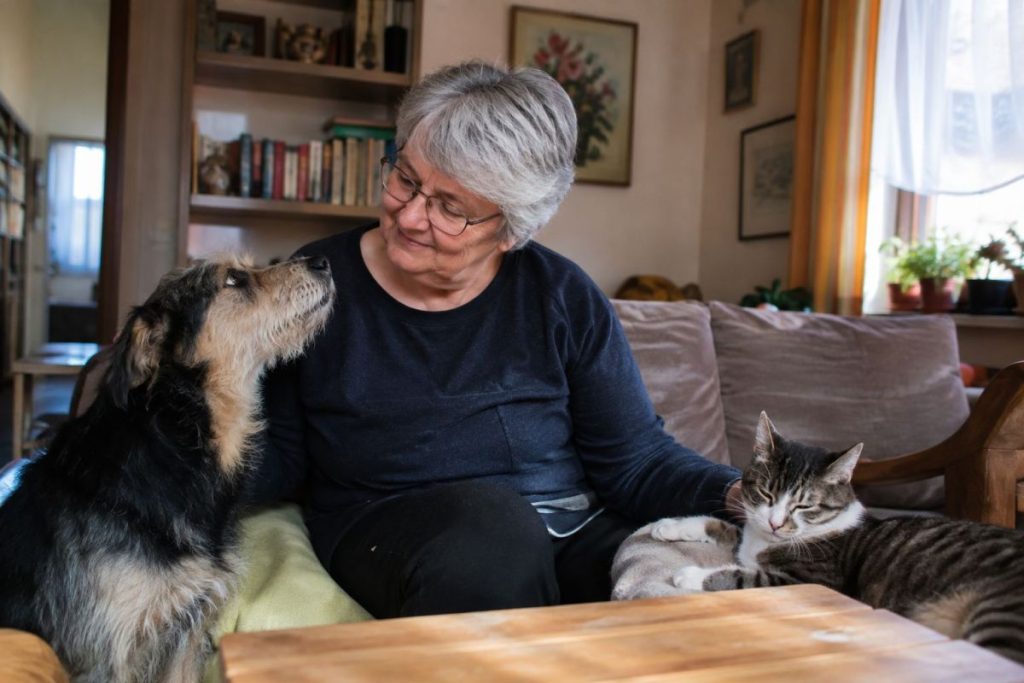
Years later, she is approaching 70 and shares her home with two dogs and two rescued cats.
For a long time, she refused to adopt cats as well because she was afraid she might not live long enough to care for other animals. Even though she loves cats, she was thinking seriously about the responsibility.
What would happen to the animals if something happened to her?
Eventually, she decided to trust that she would live long enough to care for all of them. Her house is now full. It is a loud, lively home with four pets running around and certainly requires more work than a home without pets. But she gets outdoor exercise from walking the dogs and indoor cuddles from the cats, and she is happy. And more importantly, she feels capable, needed and very much involved in her own life.
A pet can change the rhythm of a home
We often think about pets as companions for older people. That is true, but it does not fully explain what they bring into a home. A pet creates a connection and a rhythm.
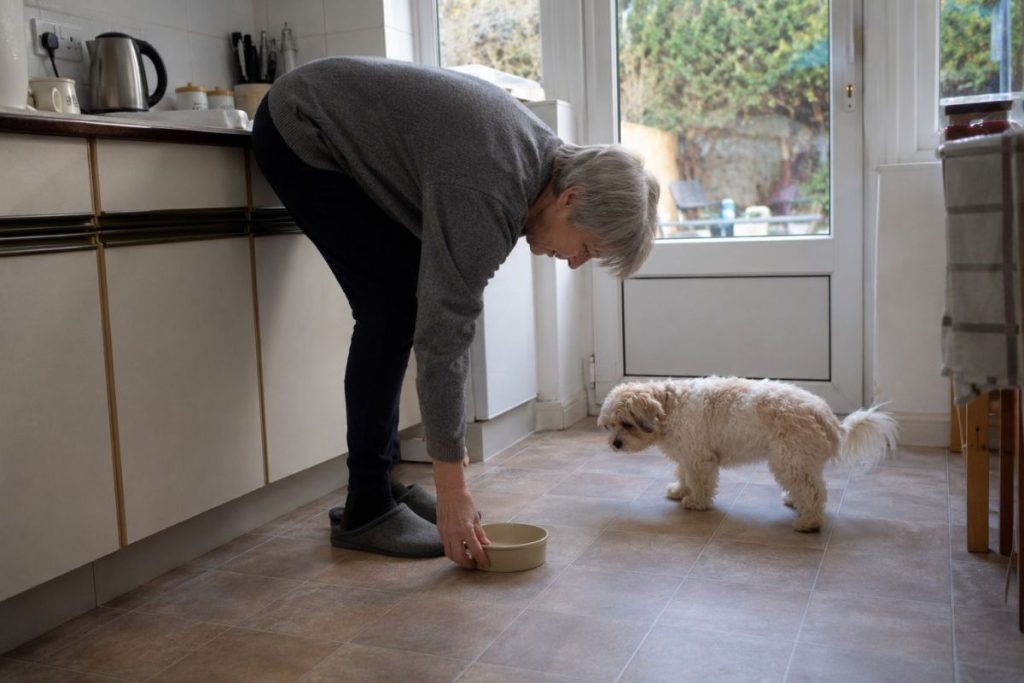
There is a reason to get up in the morning because somebody is waiting for breakfast. There is a reason to open the door, go outside, clean a bowl, change the water or notice that the food supply is running low.
Dogs expect walks. Cats demand attention according to their own mysterious schedule. Birds make noise when the house becomes quiet. Even small animals create tasks that need to happen regularly.
From the outside, these may look like minor household responsibilities. For the person living with the animal, they can form part of the structure of the entire day.
The pet notices when its person wakes up. It follows them from one room to another. It waits beside the door. It reacts to moods, voices and familiar routines.
That kind of presence is different from a scheduled phone call or a weekly family visit. It is continuous and ordinary. And that everyday presence and companionship can matter enormously.
Being needed feels different from receiving help
 Download easy to use free printables from our Resources page: Pet Care and others.
As parents grow older, family conversations can gradually become centered on what they need.
- Do they need help with shopping?
- Do they need somebody to drive them?
- Are they taking their medication?
- Is the house still manageable?
- Should somebody visit more often?
These questions are necessary. But they can also change the way a parent sees their own role. A person who once looked after children, managed a household and solved problems for everybody else may increasingly feel like the one being watched, advised or assisted.
A pet can partly reverse that feeling. The animal needs them. It needs to be fed, comforted, protected and understood. It may refuse to eat from anybody else or wait specifically for them to return home.
This responsibility can be tiring, but it can also be empowering. My mother-in-law is not simply surrounded by four animals. She is responsible for a small household of living creatures that recognize her as their person. They give her affection, but they also give her a role. And that distinction matters.
Concern about the future can begin earlier than we expect
Her initial refusal to adopt a cat also reveals another side of the relationship between older adults and pets.
Older people may think about the future of an animal long before the family does. They may worry that they are too old to adopt a puppy or kitten. They may wonder whether they will still be able to walk a dog in several years. They may avoid becoming attached because they do not know who would take the animal later.
These are reasonable concerns. Adopting a pet is a long-term responsibility, and pretending otherwise does not help either the person or the animal. But age alone does not determine whether somebody can care for a pet. A healthy and active 75-year-old may manage a calm adult dog perfectly well.
The more practical questions are:
- Can the person meet the animal’s everyday needs?
- Does the animal suit their energy, mobility and living environment?
- Is there somebody who can help when necessary?
- What would happen during an illness, a hospital stay or an emergency?
When these questions have clear answers, pet ownership can remain safe and positive for much longer.
The relationship should not be dismissed as “just company”
Families sometimes underestimate the emotional importance of the pet because they see only the practical side. They see bags of food, veterinary appointments, muddy floors, litter trays and the possibility of somebody tripping over a dog.
The parent sees the animal waiting in the hallway. They see the cat sleeping on the same chair every afternoon. They hear familiar footsteps around the house. They speak to the animal throughout the day, even when nobody else is there.
For somebody who has lost a partner, become less socially active or watched family members move farther away, that relationship may be one of the most stable parts of daily life.
This does not mean every older person should have a pet. It also does not mean that keeping a pet is always the safest choice. It means that decisions should respect what the relationship represents.
Removing an animal because the family is worried can also remove routine, responsibility, comfort and a sense of control. Before making a major decision, it is worth asking whether the actual problem is the pet or the absence of enough practical support.
Sometimes a bag of food delivered regularly, help with dog walking or somebody taking responsibility for veterinary appointments can protect the relationship without taking it away.
Pets can support independence
A pet can help an older person remain active, engaged and emotionally connected. At the same time, the animal depends entirely on that person’s ability to continue providing care. The parent and pet may develop a relationship of mutual dependence.
The dog encourages the parent to go outside, but the dog also needs the parent to be able to walk safely. The cat provides company, but it also needs clean water, food, veterinary care and a hygienic environment.
When the routine works, both can benefit. When something interrupts it, both may become vulnerable.
That interruption does not have to be permanent. It could be a fall, a short illness, confusion, extreme fatigue or an unexpected hospital admission. The family may be focused entirely on whether the parent is safe, while nobody initially remembers that an animal is waiting inside the home.
This is where remote family care needs to include the pets too.
Download easy to use free printables from our Resources page: Pet Care and others.
Caring from a distance means understanding the whole household
When we live far from our parents, we tend to build our sense of reassurance from small signals.
- They answered the phone.
- They went out today.
- They sent a message.
- They completed their usual routine.
- They seem all right.
With Parents are OK, changes in a parent’s normal phone activity can help families recognize that something may need attention. The app does not monitor pets, and it cannot tell whether a dog has been walked or a cat has been fed. But the lives inside the home are connected.
When a parent’s normal routine stops unexpectedly, the family may need to think beyond the parent alone.
- Does somebody nearby have access to the home?
- Who knows what the animal eats?
- Who can take the dog outside?
- Where is the pet carrier?
- Who would keep the animal if the parent needed to stay in hospital?
These are not questions that need to dominate everyday life. They simply need answers before an emergency happens.
Start with support, not suspicion
Having pets does not automatically make an older parent’s home unsafe. A full house may be exactly what makes the home feel alive. The goal should not be to search for reasons why the parent can no longer manage. It should be to understand what is working and what could make the arrangement easier.
That may mean discussing food deliveries, keeping veterinary information in an accessible place or identifying a neighbor who could enter the home in an emergency.
It may mean choosing lighter bags of litter, arranging help with longer dog walks or agreeing that another family member will handle appointments.
It may also mean simply recognizing that the animals are not an optional detail in the parent’s life. They are part of the family structure.
My mother-in-law once worried that she might not live long enough to care for another cat. And yet, she eventually chose to rescue one. That decision did not make her life smaller or more fearful. It gave her another relationship, another responsibility and another reason to trust that there is still life ahead to be lived.
The question for families is not only whether an older parent can continue caring for a pet. It is also whether we have created enough support for the parent and the animal to continue caring for each other.
What about your family? If your parent suddenly could not return home for several days, who would know that their pet was waiting—and what would happen next?
Talk soon,
Ioana

My guiding question every day is: ”How can I make this better?” I have a creative mind, an eye for all things beautiful, and a drive to bring people together. With a background in non-formal education, psychology, entrepreneurship, and interior design, I believe there is always a new opportunity around the corner. Life is interesting. Enjoy and make the most of it!