I remember being so proud of my elderly parents for being functional and independent.
My dad always had a few DIY projects going, always needing to build something, fix something. He was the guy family and friends called for any kind of household engineering problem.
My mom had her group of friends, and they visited each other every week, talked on the phone almost every day, and went to cafeterias and cultural events together. She was also connected to the people in the neighborhood’s market, the doctors, and the other small businesses around the house.
Aging with dignity also means feeling that you can maintain your lifestyle. To keep social engagements, to run errands, to do your shopping, and to get curious and involved in the cultural life of the community.
As their world grew smaller and smaller, their attention turned towards us: their children and grandchildren.
When relatives and friends were no longer there to spend time together and share parts of everyday life, I became my parents’ first call. I started managing from a distance. Shopping turned into online orders, and cooking turned into catering deliveries. Visits to the doctor became the main subjects of conversation and things we did together periodically.
 Download easy to use free printables from our Resources page: Local Support / Home Safety and others.
We trick ourselves into saying that it’s better when we live close by.
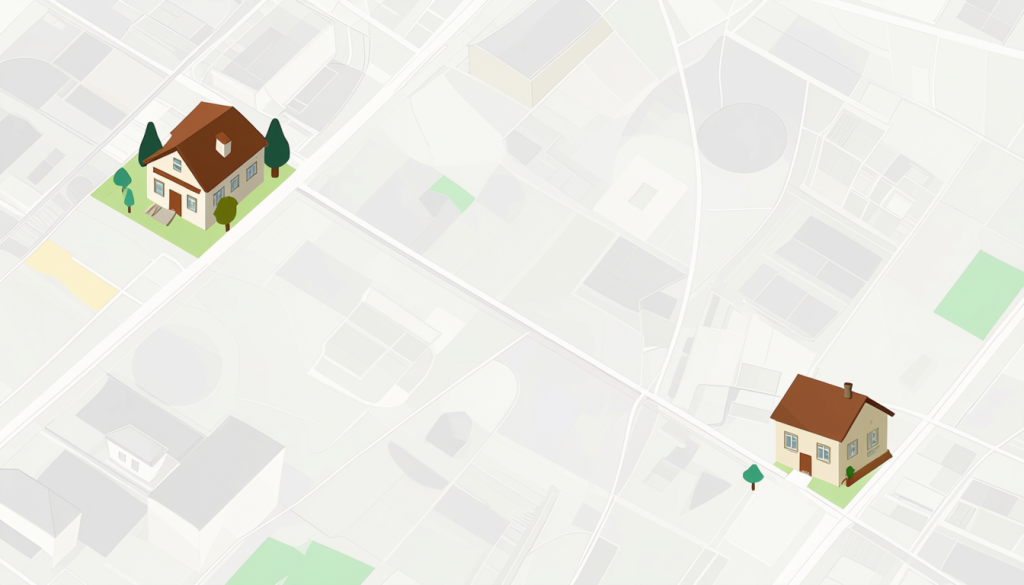
Of course, it’s helpful. But how close do we have to be, to be at peace? In the same country? A two-hour drive away? In the same city? On the same street? In the same building? What’s the distance that makes sense and works for your family?
For the first 20 years of my adult life, I lived 400 km away from my elderly parents. When they were already in their 70s, I moved with my family closer to my parents, but we were still 100 km away. Then I realized it’s not sustainable if I need to be involved every week, and I moved them to the same city as me. We lived, for the past few years, with them being just a few minutes away.
The worry and the emotional cost are almost the same, whether you are in the next house down the street or a few countries away. When you want for yourself and at the same time for your parents, to live full, respectful, balanced, and separate lives, you need a way to get a discreet “status update” that does not take time and does not add too much to your to-do.
The trap of living close by is that you feel you can help when needed, so you can feel free enough to take a step back. At the same time, your elderly parents want more and more time with you, because you are close, and it seems easy. As your parents get older, your own life could be more complex than it is comfortable. You juggle jobs, children, maintaining a home, your own health and your own social life, and they keep asking you: “Why don’t you visit more?” and “Is it so hard to give me a call?”
I tried my best to keep them independent.
For many years, I struggled to find the right combination of: being available and helpful and also setting limits. I wanted to keep them in control of their own lives. I kept changing strategies, setting new systems in place to satisfy the same needs, with less effort from them and not much involvement from me.
I wanted them to have their own space, their own time, their own schedules and interests, their own relationships and decisions. Did not want to encourage building a co-dependent relationship at this stage in our lives. As I was teaching my child how to filter what’s urgent and what’s not, I did the same with my parents.
But when you know their health is not the best, they are more fragile and vulnerable, a worry program always runs in the back of your mind. And random questions pop into your mind: ”When did we last speak?”, ”Are they ok?”, ”Should I give them a call?”.
Even after hiring part-time caregivers, I was not sure I had the right system in place for my elderly parents to be as good as possible, and for me to be at peace.
Started searching for the best apps to check on elderly parents living alone. Thought about installing surveillance cameras. Created a network of people I could talk with to find out about my parents, without being pushy or controlling. Thought about motion sensors and elderly inactivity alert apps.
Mobile phones made their way into their daily lives, and my parents saw them as good and helpful devices. They enjoyed talking to people, video calls, looking at pictures, listening to music, playing small games, and other forms of entertainment. They got used to taking their phones with them every time they left the house. So, it makes sense for mobile phones to be our help with passive monitoring elderly parents.
We just needed a gentle, discreet way to get useful info from their phones without making our parents use a new app or wear a new accessory.
Parents are OK is just that. One app that notifies caregivers if the phone is not used. You choose how long your parent’s phone can remain inactive before you’re alerted. The inactivity limit is customizable, and normal sleep or rest hours can be taken into account so they don’t trigger unnecessary alerts.
Just a simple way to know that normal daily life is happening, whether it’s close by or far away. It does not overwhelm with notifications. It does not expect actions from you or the parent. It only lets you know when attention is needed.
And so, the peace of mind becomes not about the distance between your homes, but about the mental space you gain when the right systems are in place.
When it comes to physical distance, I’ve tried them all: different countries, different cities, the same city, the same house.
If you got to this point, your mind is already thinking, and I am curious: What’s the right distance for you?
Download easy to use free printables from our Resources page: Local Support / Home Safety and others.
Talk soon,
Ioana
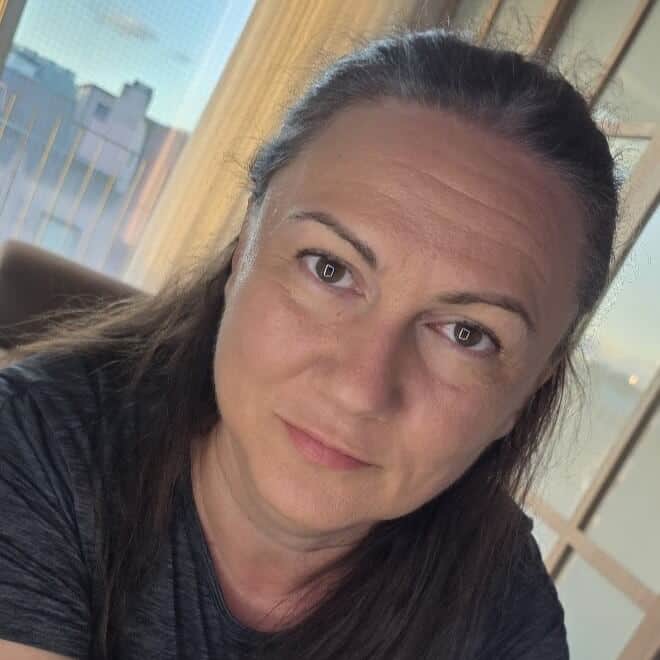
My guiding question every day is: ”How can I make this better?” I have a creative mind, an eye for all things beautiful, and a drive to bring people together. With a background in non-formal education, psychology, entrepreneurship, and interior design, I believe there is always a new opportunity around the corner. Life is interesting. Enjoy and make the most of it!