A Practical Safety Guide for Families With Elderly Parents
- Cognitive decline and confusion
- Getting lost or wandering
- Mobility and transport safety
- Communication failure
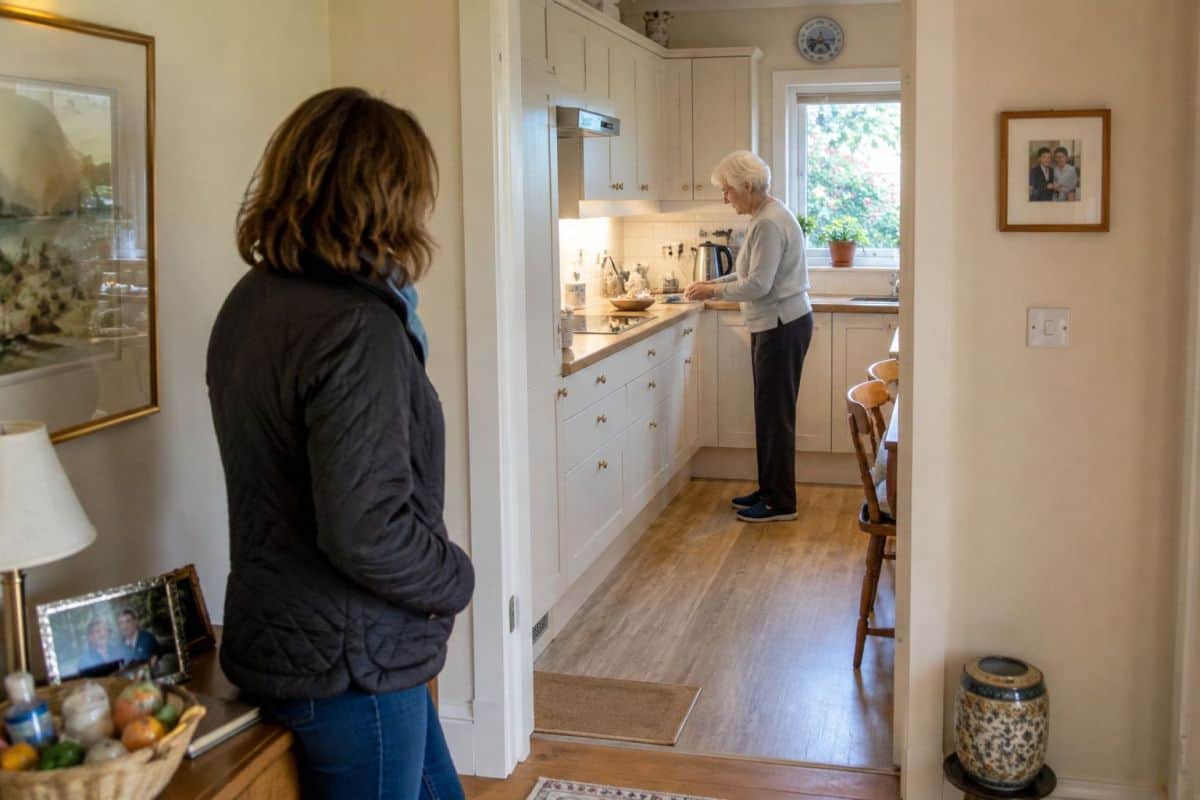
The world looks different from every perspective, and the mental maps each of us creates are not equal to the territory. That’s one of the first lessons in perspective thinking we learn for ourselves and teach our children. To the natural omissions and distortions that each of us generates without being aware of it, add now a layer of cognitive decline, confusion, forgetfulness, and emotional dysregulation, and you start to get a feeling about how aging parents perceive the world around them.
Cognitive decline and confusion
You know that moment when you think about doing something, you take two steps, you see or think about something else, and you realize you have no idea where you are heading and why? How frustrating is that!?
How could we not be understanding when our elderly parents are forgetting things they talked about, things they agreed on, things they did, even their normal routines?
One of the first signs of cognitive decline in my mom, one she complained about, was forgetting usual words and having difficulty expressing herself. Over time, others appeared: a superficial understanding of conversations and facts, confusion about time and money, difficulties with reading and easy math like counting or adding and subtracting when shopping, started but unfinished actions, repeated actions, forgotten routines, lost abilities, even basic ones, like how to cook a simple meal she did thousands of times before and knew by heart. My mom was always a calculated and prudent person, she never put herself in risky situations, but poor judgement could make her more vulnerable to strangers.
 Download easy to use free printables from our Resources page: Memory & Cognition and others.
Getting lost or wandering
I have never forgotten an old man I met when I was 19. I was a student, walking quickly towards university, to get to class on time. He stopped me politely on the street and asked me if I knew how he could get home. He was a bit embarrassed by the question. He was aware it was a strange situation. He was well dressed and groomed. He told me that he wanted to go home, but he did not remember where that was, and how to get there. He smiled and said this was the first time this had happened to him. I asked him about an ID, to see the address, or if he had something useful in his pockets, like a note with a phone number he could use. He had nothing useful with him. He told me not to worry, to go to my class, not to be late. He would figure it out somehow. I just guided him towards the student campus police station and told him the police officers would surely help him, and left. I have no idea what happened to him. And I am sorry I did not skip my class to be sure I helped him all the way.
Even with cognitive decline, my mom wanted to keep her social engagements. It was important for her to continue her appointments for hair styling, nails, massage, to keep going shopping and to the church, meet and talk with people.
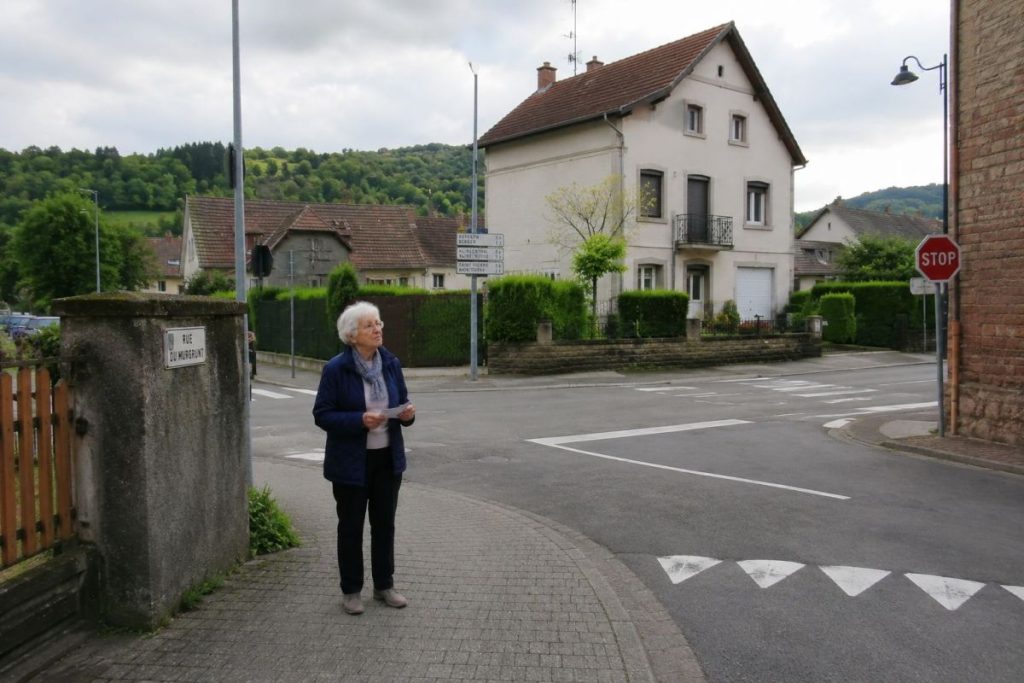
For every service she wanted, I selected places close to her home, and went with her several times to each place, to be sure she knew the route and could manage to walk there on her own. And when I was not sure anymore that she was safe on her own, I asked the person taking care of her to walk together. Even so, at different points she found herself in different situations:
- She did not recognize the usual street anymore, and got scared.
- She got agitated and wanted to quickly go in different directions, to find her way.
- She did not want to listen to guidance, and marched ahead frustrated because she thought she knew the way.
- She did not pay attention to the road, and started crossing the street wherever she got the idea to cross, not where the cross sign was.
For a while, I kept in contact with all the people she was going to meet, followed her on the map on my mobile to see that she was on the right route, and got confirmation when she arrived. She was not bothered by this. She was grateful I was taking care of her, and I was checking up on her.
Transportation safety
Did you notice cars on the road moving in a strange way, not keeping the lane, cutting the curves, slow when turning, and so on? And when you got a chance to see the driver, you understood you needed to be patient, it’s an old person driving? On one hand you want to say: “Good for them! Still independent. I wanna be like that when I am that old.” On the other hand you’re wondering: “Should they still drive?” There is no clear moment, obvious to everybody, when you can say: this is unsafe driving.
If you mentally put your aging parents in the driver’s seat, and you imagine a low capacity to deal with multiple sensory stimulation at the same time, reduced focus, not great eyesight, diminished reaction time, you might start to think about other options for transportation.
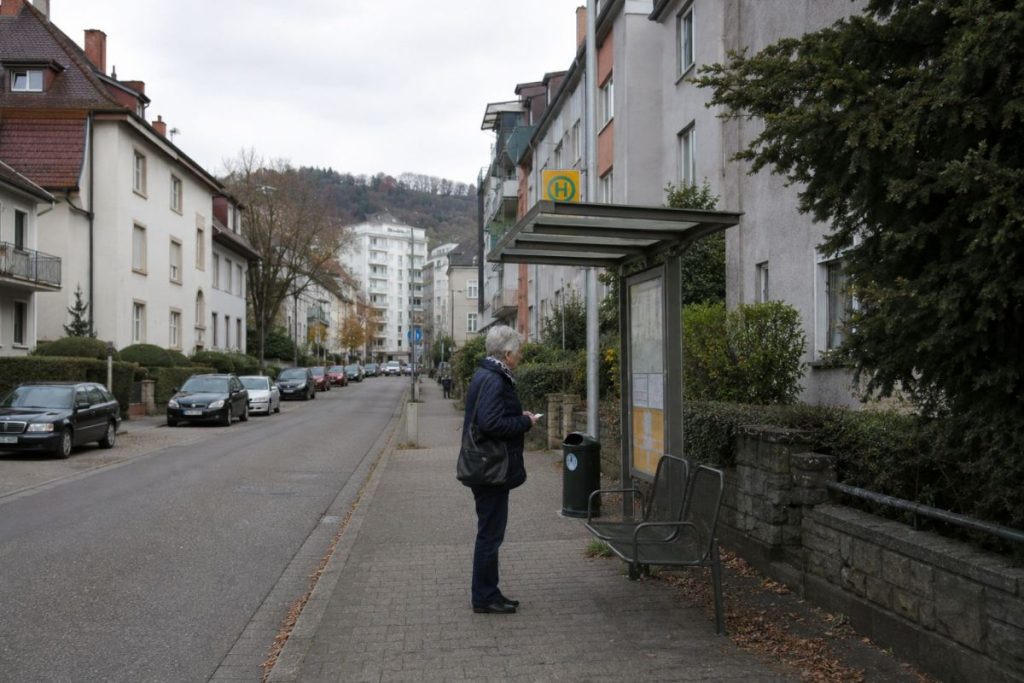
And this is where things get more complex. Do they still manage to take public transportation by themselves? Will they get on the right bus? Will they get off at the right bus stop? Will they know how to pay for public transportation? Should they still go by train, or plane, by themselves?
For my parents, for driving them from one point to another inside the city, I used Uber or Bolt many times. It worked very well for us, because I would order the ride from my phone, I could contact the driver and tell them about who they would meet, I would agree with my parents where to meet the car, what car it was, what plate number, etc. and I could see them moving towards the destination in real time.
Of course, there’s always the option of having a friend or relative drive them, but we are still in the area of assisted independence, giving a hand without taking over.
Download easy to use free printables from our Resources page: Memory & Cognition and others.
How Parents are OK can help
How did we get from confusion and transportation to Parents are OK? As a non-invasive app for monitoring normal daily life, Parents are OK will not track their every movement, and will not solve difficulties they encounter while navigating the world outside their homes.
But the app acts as a quiet and calm layer of understanding that they are going about their days in a usual manner. Their phone activity is part of their normal daily life, and you can see if they use their phones, if their phones are charged, or if they had no phone activity and for how long.
When normal phone use patterns disappear, it may be time to check in.
What about you? Did your parents start to deal with confusion and difficulties when going from one place to another?
Talk soon,
Ioana

My guiding question every day is: ”How can I make this better?” I have a creative mind, an eye for all things beautiful, and a drive to bring people together. With a background in non-formal education, psychology, entrepreneurship, and interior design, I believe there is always a new opportunity around the corner. Life is interesting. Enjoy and make the most of it!