A Practical Safety Guide for Families With Elderly Parents
- Vulnerability to Strangers
- Social Isolation
- Abuse, Neglect, or Exploitation
- Financial and Digital Safety
Every generation develops coping mechanisms for its own times. As adults, we learn how to navigate changes in society, communication, and technology. And so did our parents, in their time. During the last few decades, changes came with such speed and so much novelty that it’s tough even for us to keep up. I cannot even imagine what I will have to deal with 20–30 years from now.
Some of the dangers our elderly parents face are not so visible, may be unexpected, or could catch us unprepared.

Vulnerability to Strangers
My parents come from a generation when people generally trusted strangers more. Maybe I do too. My feeling is that we always had good and trustworthy people around us, and any encounters with people taking advantage of others were just accidental and forgotten. They did not take over our lives.
For 40 years, my parents lived in the same apartment, part of the same community. They held ties with people around them, knew who to spend time with, and what activities to be a part of. When you feel secure in your environment, unsafe experiences can take you by surprise.
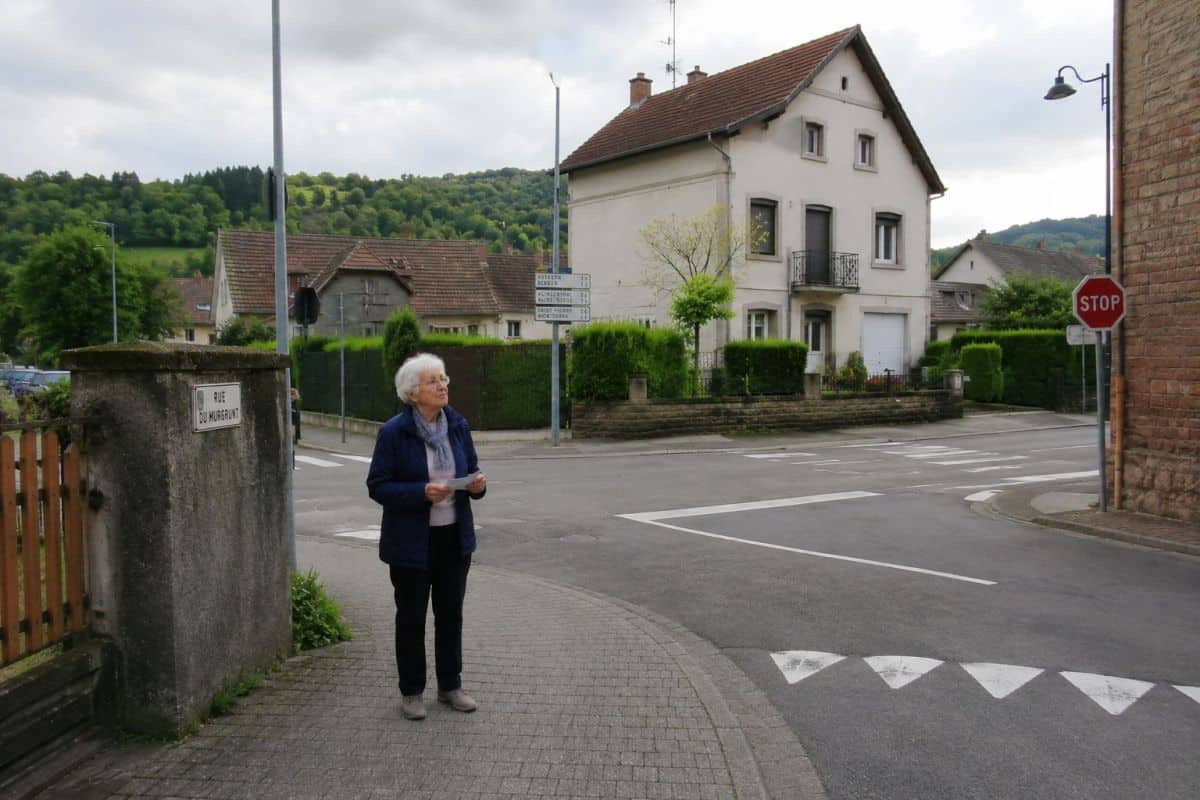
As parents get older, you start to wonder: “Are they safe to open the door?” Elderly people can easily become targets for:
- Door-to-door salespeople
- Fake utility workers or service technicians
- Fake charity requests
Older people are considered to be more trusting, less familiar with modern fraud, and less likely to report what happened. Some are also reluctant to admit they were deceived because they feel embarrassed.
As a result, families often discover problems only after money is lost or strangers have already gained access to the home.
How we can help:
- Clear family rules about opening the door.
- Verifying workers before allowing entry.
- Discussing common scams openly with aging parents.
- Encouraging parents to call a family member when unsure.
There’s such a fragile balance at play.
With not trusting people comes social isolation.
With trusting too easily comes the risk of abuse or exploitation.
Social Isolation
While my dad would hibernate in his room with the TV, my mom would go for a walk and stop on the street to talk with strangers, just to feel connected to people.
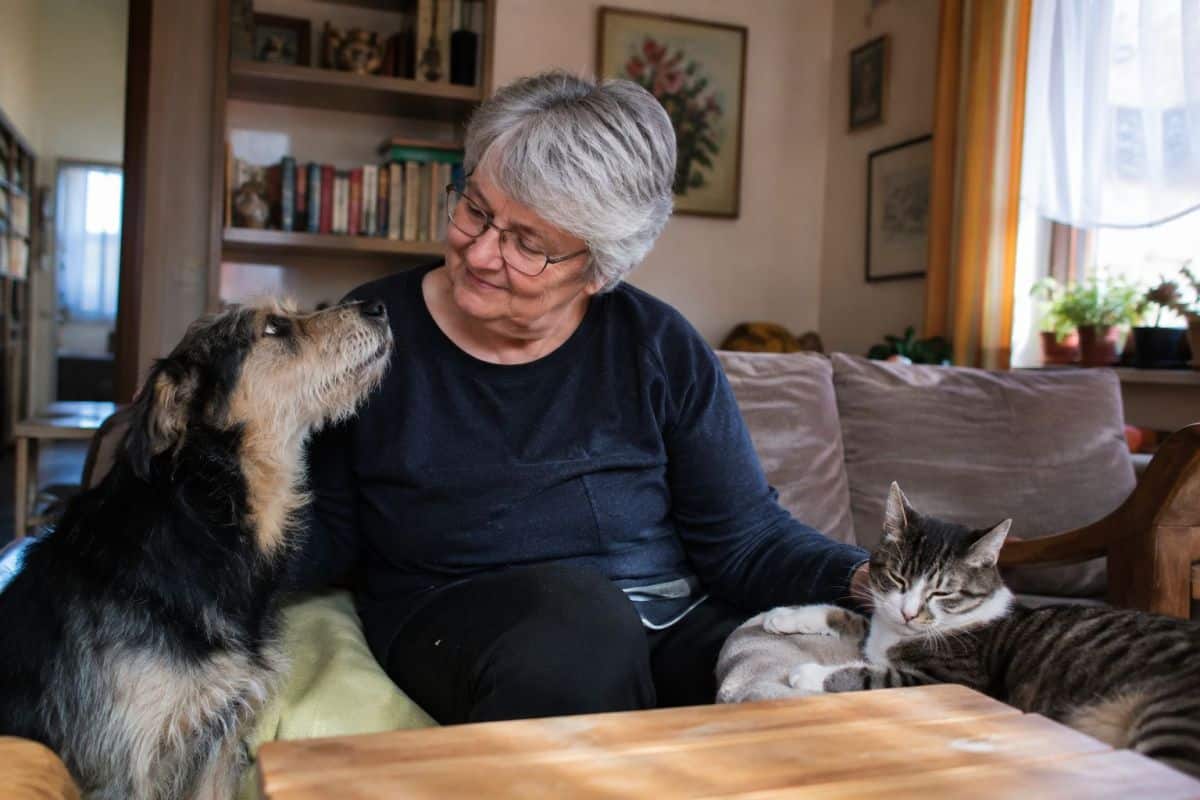
Sometimes we feel at ease because we know an elderly parent is at home every day. In reality, this might be harmful if they have very little meaningful human contact. Loneliness is not just an emotional issue. It can affect physical health, mental well-being, memory, motivation, and overall quality of life.
How can we notice if our elderly parents are affected by it? Some signs are:
- Fewer phone calls
- Less interest in hobbies
- Rarely leaving home
- Withdrawal from friends
- Reduced enthusiasm for daily activities
Isolation develops gradually. We often adapt to the changes and consider them a normal evolution, related to being tired, reduced mobility, fewer social contacts, or other external factors.
How we can help:
As we notice that their world becomes smaller and smaller, we could arrange the environment around our aging parents to make sure they still have:
- Regular visits and conversations
- Community activities
- Stable social connections
- Someone looking beyond “Are you okay?” to share more meaningful conversations
 Download easy to use free printables from our Resources page: Home Safety / Local Support and others.
Abuse, Neglect, or Exploitation
Unfortunately, not every risk comes from strangers. We might need to put our trust in neighbors, hired help, service providers, family members, or institutions to care for our elderly parents, and we cannot know how their interactions unfold on a daily basis.
Elderly people might hide the fact that they experience discomfort, neglect, or abuse. They might:
- Feel ashamed or feel like they are doing something wrong
- Feel that they depend on the people involved
- Fear losing support
- Worry about causing problems or conflict
What signs can we look for?
- Sudden financial problems
- Anxiety around certain people
- Unexplained changes in behavior or in their requests
- Withdrawal from family, not wanting to share information about their day
- Poor living conditions despite available support
How we can help:
I did my best to surround my parents with good, caring, and compatible people (as they did for me when I was a kid). I helped them maintain their lifelong friendships and family connections through visits and phone calls so they feel rooted and secure with meaningful contacts.
When we are not sure they are safe, we need to:
- Maintain significant regular contact, not just a superficial “How are you?” / “Fine.”
- Ask questions gently and encourage sharing
- Listen carefully without judgment
- Stay involved in important decisions
Financial and Digital Safety
Some risks are not physical and not immediately noticeable. We might find out about them only after they happen. With old age can come a lower understanding of contemporary issues, poorer judgment, and some naivety.
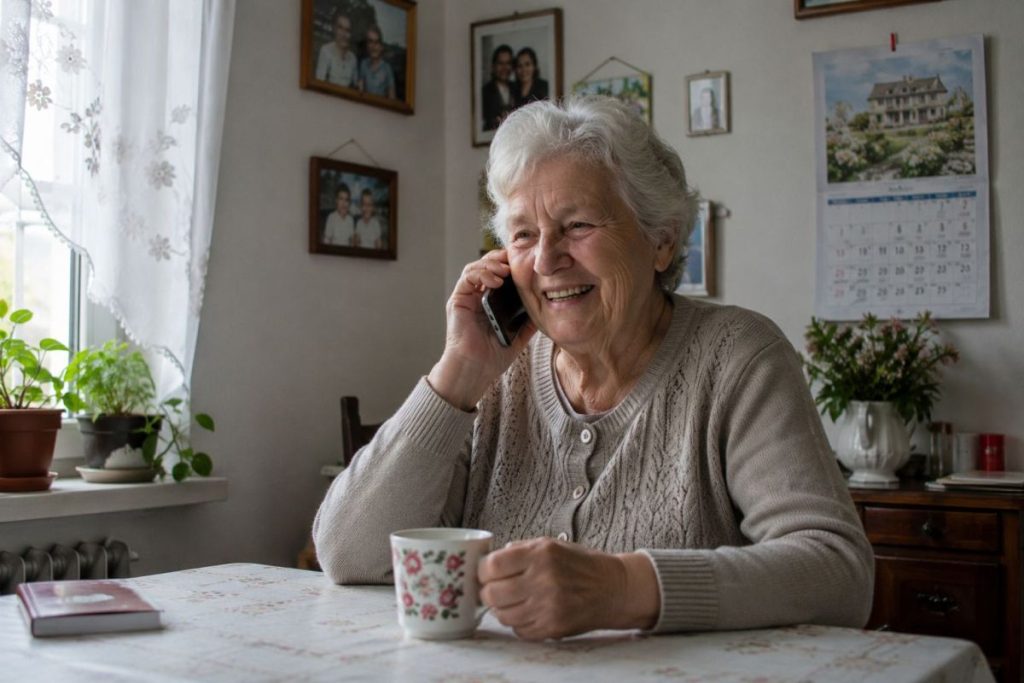
My parents, and all their neighbors from the same building, were scammed by a “construction company” that promised to insulate the building, took the money in advance, and disappeared. My dad made the mistake of ordering something by phone from a teleshopping channel, and they would not stop calling him afterward to convince him to buy more miraculous products. My mom was convinced through a telephone scam to give her card details in order to help “a nephew in trouble.”
These kinds of situations might make elderly parents reluctant to admit they were deceived because they feel embarrassed, fear conflict, or do not want control taken away from them by caregivers.
For us, these might seem like childish mistakes. For them, it’s shocking how the world around them changes. Even daily financial management becomes more difficult with age.
Over time, I noticed:
- Missed bill payments
- Difficulties understanding where and how to pay bills
- Forgotten subscriptions
- Confusion about banking messages
- Confusion about counting cash and understanding bank statements
- Sharing personal information
- Suspicious online purchases
- Responding to scam phone calls
In our case, my husband took it upon himself to pay all my parents’ monthly building costs, utilities, and subscriptions online, so we could be sure nothing important was forgotten. He is also the one who stays up to date with new phone and online scams and educates us and our extended family about financial risks.
Download easy to use free printables from our Resources page: Home Safety / Local Support and others.
How Parents Are OK Can Be Useful
A phone app cannot prevent scams, loneliness, or abuse.
But it can help elderly parents and their caregivers stay connected. It adds a layer of safety, a discreet bond that allows us to notice when something changes. For aging parents, usual days are made of many routines and patterns and, when caring from a distance, we want to know whether daily life is continuing normally.
Parents are OK is an app for long-distance caregivers. It helps families notice when a parent’s usual phone activity stops and notifies them that it’s time to check in. Many serious risks are not the most visible ones. Sometimes they begin with repeatedly missed conversations, growing isolation, or a problem nobody feels comfortable discussing.
What about you? What invisible risks worry you the most when caring for your aging parents?
Take care, talk soon!
Ioana

My guiding question every day is: ”How can I make this better?” I have a creative mind, an eye for all things beautiful, and a drive to bring people together. With a background in non-formal education, psychology, entrepreneurship, and interior design, I believe there is always a new opportunity around the corner. Life is interesting. Enjoy and make the most of it!