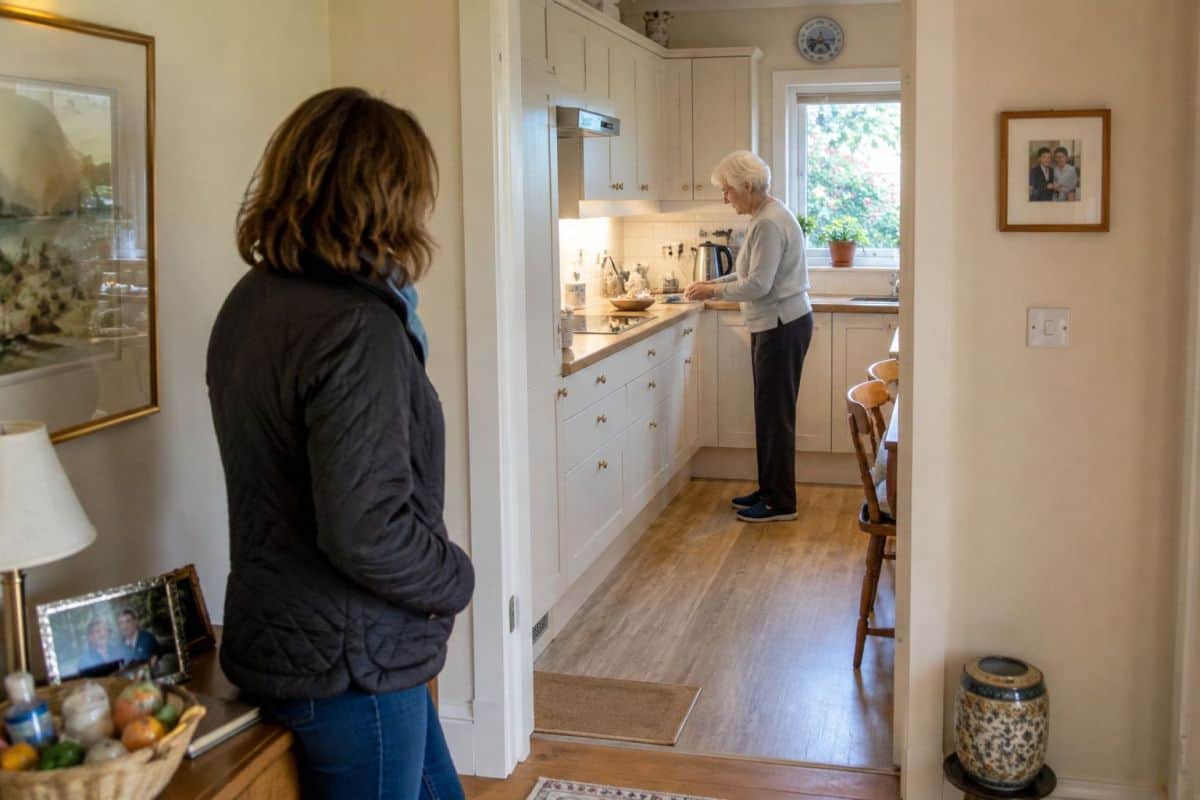
A Practical Safety Guide for Families With Elderly Parents
When it comes to taking care of their health, we already know our parents’ routines. We might expect things to go on as usual as they age, or we might even want our parents to be more aware of their health changes, more careful, more disciplined. Either way, every year might bring new health-related events or subtle changes, and we can plan for them.
Nutrition and Hydration
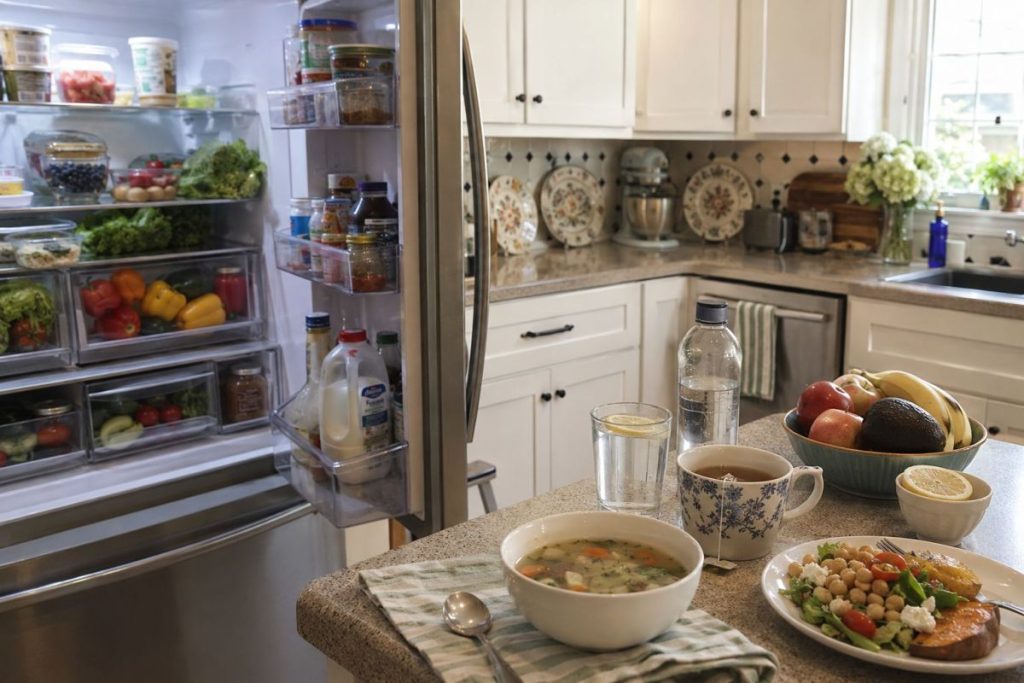
One of the most subtle influences on the way they age comes from nutrition and hydration. As our parents age, their metabolism changes, and chronic diseases influence their nutritional needs or preferences. Dental problems might make the simple mechanical act of eating a struggle, not a pleasure. And some pleasures, as we know, might be unhealthy. Even using the toilet can become difficult, so they might avoid eating or hydrating.
Aging parents or grandparents might quietly struggle with:
- dehydration
- not eating enough, or not eating enough nutritious food
- keeping and eating spoiled food
- difficulty cooking or shopping for themselves
How did I deal with this?
Well, conversations could always help, but on a more practical level, I needed to find solutions:
- My father did not enjoy drinking water, so he always needed a small trick to drink more: make lemonade, add some fruit syrup, put some effervescent vitamins in water, or make a pot of tea.
- My mother was always happy to carry a bottle of water with some freshly squeezed lemon and drink constantly throughout the day.
- For a while, I arranged a subscription with a neighborhood restaurant, to deliver freshly cooked, complete traditional meals every other day. They always said the portions were too big and that they had enough for two days, but at least it was a complete menu: soup, main course, salad, and dessert, fresh and nutritious, like they would have cooked at home.
- While they were living with me and my family, I had the chance to observe their preferences and food habits.
- And when no other option was working, I hired in-house care, someone who could also do grocery shopping, cook fresh nutritious meals, and clean.
Of course, solutions differ from family to family, and from one life phase to the next.
Medication Safety
A more evident challenge is taking the right medication. My mother could recite by heart all her chronic diseases, all her medications, and the way she was supposed to take them. Until she could not. My father would get his monthly medical prescription, but would be convinced that he was better off without taking the medication. So, he just ignored the medication.
With aging parents, lots of things can happen when it comes to self-administered medication:
- forgotten doses
- ignored medicine
- double doses
- wrong medication
- wrong timing and interactions
- expired medication
- self-medicating because of TV commercials
How did I deal with this?
- Well, the first thing for us was to take my parents, one by one, to all the medical check-ups they needed. To make sure they had up-to-date check-ups, prescriptions, and dosages.
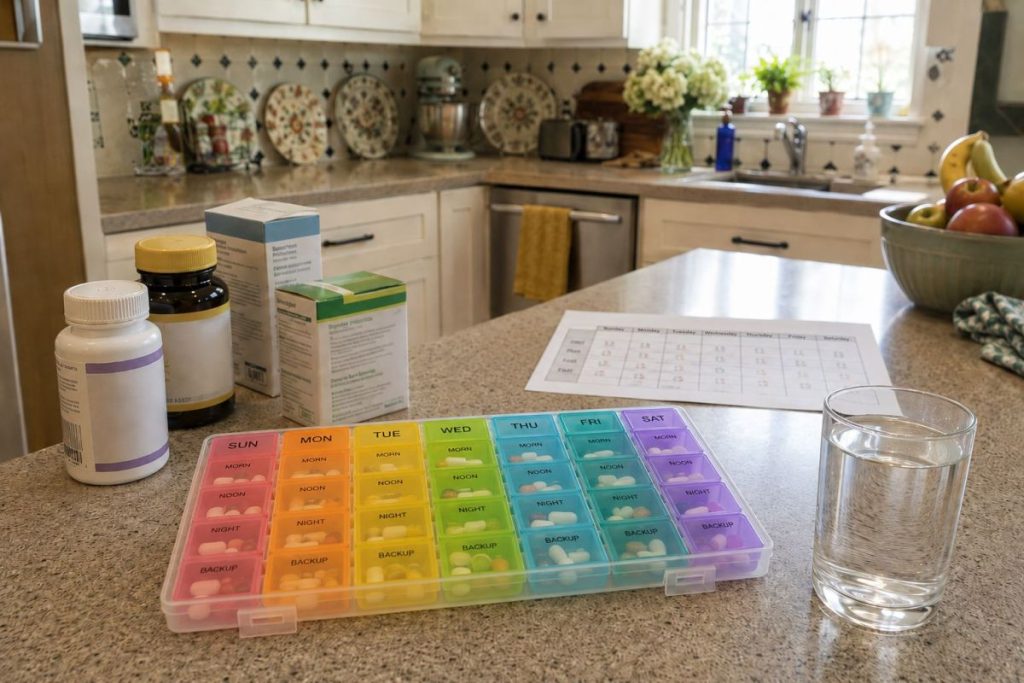
- And after that, for a while, I would just fill a pill organizer once a week, and trust that they would take them as they were supposed to.
- When I started to notice the pills not taken, or mixed, or left on the furniture, I added the task of administering medicine to the hired help.
You will have to find your own timing and progression, and know when there is a need for more assistance.
 Download easy to use free printables from our Resources page: Health Overview / Medical Log / Current Medication List and others.
Sudden Health-Related Events, or Accidents and Falls
My father had an accident a long time ago. He needed brain surgery and was left with some balance problems. We knew that about him, and he was also more careful while walking because of that, to be sure that he could grab something. But at the same time, he became more fearful and more sedentary, to the point where he spent most of his time in bed, his legs got weaker, and so did his will to move. He was comfortable just sitting all day.
My mom, on the other hand, was an athlete in her youth. She was always very proud of her strong legs, and went for walks every day. The longer, the better.
For different reasons, one because of a sedentary life, the other because of zeal for exploration and feeling strong while early signs of dementia had already appeared, they both became prone to accidents. Falling on your face running after a train, breaking a bone climbing on a wall and falling, tripping on the sidewalk, slipping on ice, my parents did them all.
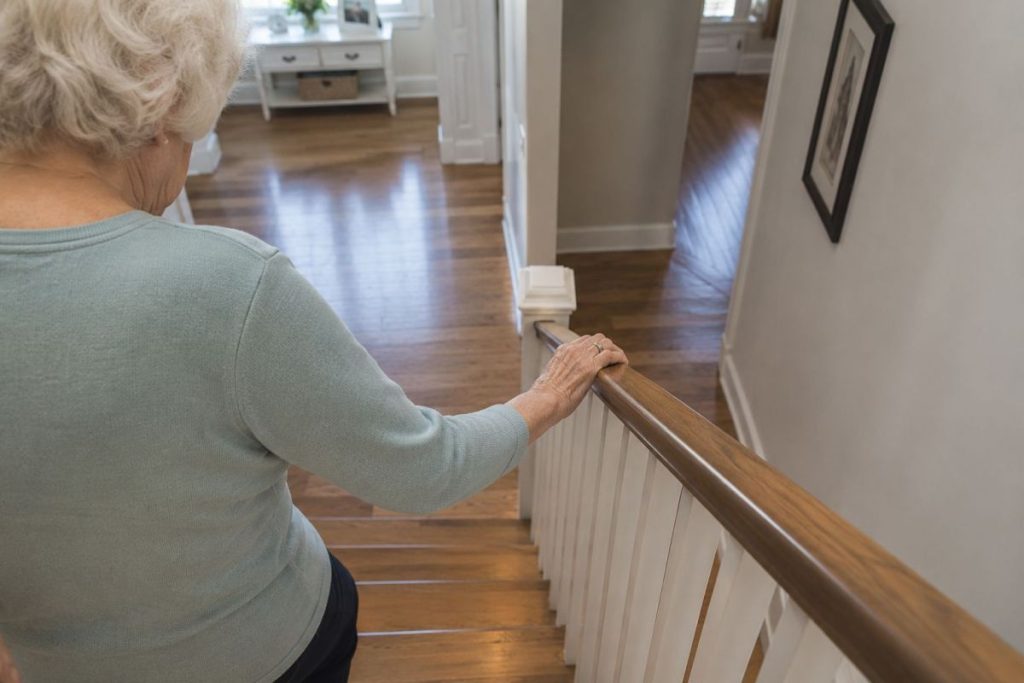
Aging parents become more vulnerable as other health issues appear: signs of stroke, heart failure, fainting, sudden weakness, breathing difficulty, sudden confusion. On top of a weakening body, even the familiar home environment can become potentially dangerous when mobility, flexibility, balance, and reaction time are limited.
For elderly parents:
- a wet shower floor can be a slippery hazard
- a familiar carpet can become a tripping point
- a wobbly beloved chair can cause a fall
- too many stairs were once exercise; now they are a trap
- poor lighting can make details disappear
- rearranging the furniture, even if it’s meant to help them, might create confusion and increase the risk of getting hurt during a night walk to the bathroom
How did I deal with this?
I had less direct experience with this area. Let’s see:
- When I moved my parents closer to me and my family, I only looked for ground-floor apartments, to avoid stairs.
- I installed shower chairs to make it easier for them to enjoy their hygiene rituals.
- I bought my dad different support systems: from a few canes, to a walker. I also rented or asked for wheelchairs when traveling or visiting museums.
- I removed some small furniture and some carpets.
- And I insisted on keeping movement part of daily life, with any kind of motivation, just to keep the mind and the body willing and strong enough to move.
Of course, physical therapy and gentle exercise could really help prevent mobility decline and falls. I just hope your parents can move more than mine.
Download easy to use free printables from our Resources page: Health Overview / Medical Log / Current Medication List and others.
How Monitoring Helps
Even while keeping Parents Are OK as a non-intrusive elderly inactivity monitoring app, you still get valuable information about their phone activity throughout the day. You may not know exactly what they did, but you can notice whether their usual phone activity pattern is still present.
As long as the info you receive from a non-intrusive monitoring app is consistent with what you know about your parents’ lifestyle, you get some reassurance that their routines go on as usual.
Parents Are OK does not replace care, medical support, family conversations, safe home arrangements, good nutrition, hydration, exercise, or daily help.
It simply adds one quiet layer of awareness. When everything seems normal, it gives families reassurance. When the usual phone activity suddenly stops, it gives them a reason to check in sooner.
In the end, safety is not one single solution. It is a mix of small decisions: better food, enough water, correct medication, safer rooms, movement, help when needed, and regular contact. Parents Are OK is a small, discreet part of that picture. And sometimes, one small signal is enough to remind us to call, visit, ask the right question, or act before worry turns into crisis.
As usual, I cannot help but wonder: what is one practical change you could make this week to make your parent’s daily life safer, easier, or better supported?
Talk soon,
Ioana
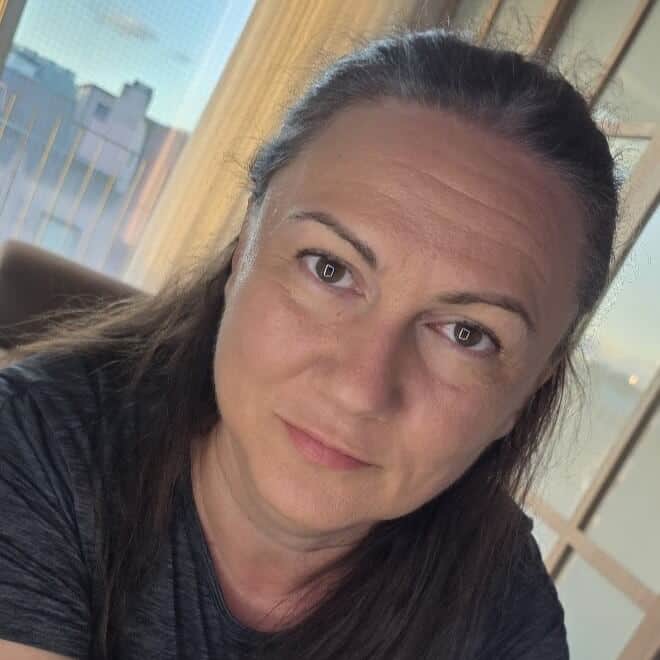
My guiding question every day is: ”How can I make this better?” I have a creative mind, an eye for all things beautiful, and a drive to bring people together. With a background in non-formal education, psychology, entrepreneurship, and interior design, I believe there is always a new opportunity around the corner. Life is interesting. Enjoy and make the most of it!